National Economy
Friday, February 6, 2026
No Result
View All Result
  • Home
  • News
    • International Business
  • Lead-In
    • Cover
    • Investigation
  • Energy
  • Economy
    • Nigerian Economy
    • Fiscal Policy
    • Agri Business
    • Transportation
    • Industry
    • Competition
    • Homes & Property
    • Insurance
    • Companies & Markets
      • Companies
      • Capital Market
  • Tech
  • States & Politics
  • Commentary
    • Analyst
    • Business Matters
    • All Angles Considered
    • ClickSend
  • Editorial
  • Data
  • Others
    • Opinion
    • Analysis
    • Money Guide
    • Growth
    • Sport Economy
News
National Economy
No Result
View All Result
  • Home
  • News
  • Lead-In
  • Energy
  • Economy
  • Tech
  • States & Politics
  • Commentary
  • Editorial
  • Data
  • Others

Nigeria’s Inflation To Drop To 19% In 2022 IMF

by Bukola Idowu
October 11, 2022
in Business, News
Inflation

YOU MAY ALSO LIKE

Mixed Reactions Trail Federal Government’s Directive On Free Prepaid Electricity Meters

Governors Target Sugar To Cut Imports, Spur Industrialisation

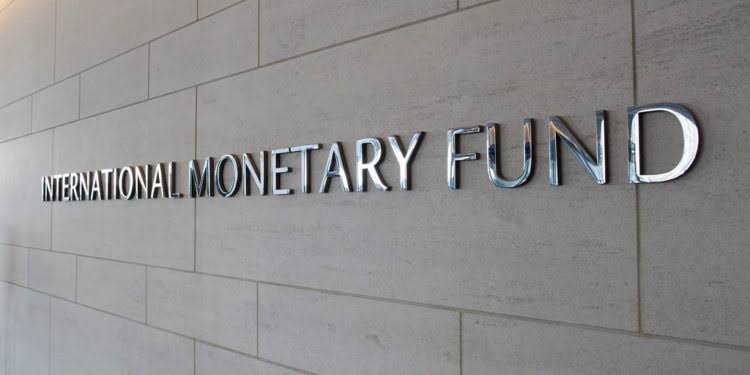
The International Monetary Fund (IMF) is projecting that Nigeria’s inflation will moderate to 19 per cent by the end of this year and further drop to 17 per cent by 2023 due to the tightening measures taken by the Central Bank of Nigeria (CBN).

The Monetary Policy Committee had raised benchmark interest rate from 14 per cent to 15.5 per cent and tightened liquidity by increasing Cash Reserve Requirement to 32.5 per cent. Speaking at the 2022 IMF/World Bank Annual Meetings, Division Chief, Research Department, IMF, Daniel Leigh said the monetary policies in the country will drive down the spiking inflation in the country which stood at 20.52 per cent as at August 2022.

According to him, “For Nigeria, we forecast inflation at about 19 per cent this year, but then some moderation next year down to 17 per cent, and part of that does reflect the monetary policy actions which is the 4 per cent point increase in Nigeria’s Central Bank as well as the decline that we expect in oil and food prices globally.”

On his part, IMF director, Research Department, Pierre-Olivier Gourinchas said, “Our advice in general is that central banks should first start with the traditional instruments of monetary policy and as you want to think about non-conventional instruments then you should think about what is the friction that is preventing the conventional monetary policy from working it will require a country or a central bank to deploy alternative ways of charting a course for monetary policy.”

Author

  • Bukola Idowu
    Bukola Idowu

ShareTweetShare

OTHER GOOD READS

Mixed Reactions Trail Federal Government’s Directive On Free Prepaid Electricity Meters
News

Mixed Reactions Trail Federal Government’s Directive On Free Prepaid Electricity Meters

4 days ago
Governors Target Sugar To Cut Imports, Spur Industrialisation
News

Governors Target Sugar To Cut Imports, Spur Industrialisation

4 days ago
Shun Risky Schemes, Embrace Regulated Investments, Experts Warn Nigerians
News

Shun Risky Schemes, Embrace Regulated Investments, Experts Warn Nigerians

4 days ago
Next Post
Godwin-Emefiele

IMF Backs CBN’s Stance Of Hiking Interest Rates

© 2025 | National Economy Newspaper | All Rights Reserved

No Result
View All Result
  • Home
  • News
    • International Business
  • Lead-In
    • Cover
    • Investigation
  • Energy
  • Economy
    • Nigerian Economy
    • Fiscal Policy
    • Agri Business
    • Transportation
    • Industry
    • Competition
    • Homes & Property
    • Insurance
    • Companies & Markets
      • Companies
      • Capital Market
  • Tech
  • States & Politics
  • Commentary
    • Analyst
    • Business Matters
    • All Angles Considered
    • ClickSend
  • Editorial
  • Data
  • Others
    • Opinion
    • Analysis
    • Money Guide
    • Growth
    • Sport Economy

© 2025 | National Economy Newspaper | All Rights Reserved