Nigeria, Morocco, and the Economic Community of West African States (ECOWAS) have reiterated their commitment to the $26 billion African Atlantic Gas Pipeline project, an ambitious plan aimed at transforming energy access and boosting economic growth across West Africa. Representatives from these governments gathered in Abuja on Monday to review progress and align efforts on the project.
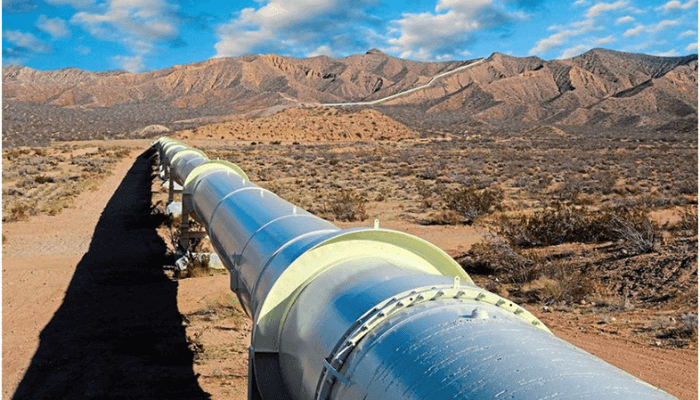
The high-level ECOWAS Inter-Ministerial Meeting on the Nigeria-Morocco Gas Pipeline Project included Ministers of Hydrocarbons and Energy from across the region, alongside officials from Morocco and Mauritania. The project, designed to link at least 13 African nations, will extend over 5,300 km from Nigeria to Dakhla, Morocco, with an additional 1,700 km of onshore pipeline reaching Northern Morocco.
Nigeria’s group chief executive officer of the Nigerian National Petroleum Company Limited (NNPC), Mele Kyari, spoke to the importance of the project, calling it “a transformative initiative that promises to connect at least 13 African nations in shared prosperity and development.” Represented by NNPC’s executive vice president for gas power & new energy, Olalekan Ogunleye, Kyari highlighted recent milestones, including completion of the front-end engineering design and phase two study, as well as ongoing environmental and social impact assessments.
“This project,” Ogunleye stated, “underscores our shared capacity and resolve, demonstrating both viability and regional collaboration.” He emphasised that NNPC’s extensive expertise in production, processing, and transmission will drive the initiative to completion.
Nigeria’s minister of state for petroleum resources (Gas), Ekperikpe Ekpo, echoed the potential of the pipeline to reshape Africa’s energy sector. “We stand at a critical juncture where these draft agreements hold the power to reshape our energy landscape, strengthen our economies, and uplift our people,” Ekpo said, underscoring the project’s expected impact on hydrocarbon trade and energy access across ECOWAS countries.
The pipeline, envisioned during a 2016 visit by King Mohammed VI of Morocco to Nigeria, is projected to supply gas to Morocco, 13 ECOWAS countries, and parts of Europe, offering an alternative export route for Nigeria’s natural gas reserves. The project also includes the $975 million West African Gas Pipeline Extension, which spans 678 km.
Laila Benali, Morocco’s Minister of Energy Transition and Sustainable Development, expressed optimism, highlighting that the pipeline will unlock new markets and generate significant employment across the region.
Meanwhile, ECOWAS commissioner for infrastructure, Energy, and Digitalisation, Sediko Douka, noted the importance of partnership in advancing the project. “We have reached a critical phase in the development of this project, and it’s crucial for all parties to work closely to bring it to fruition,” he said.
With a $26 billion investment, the pipeline aims to leverage Nigeria’s vast natural gas reserves, reduce gas flaring, diversify gas export routes, and foster economic integration across West Africa, solidifying Africa’s presence in the global energy market.