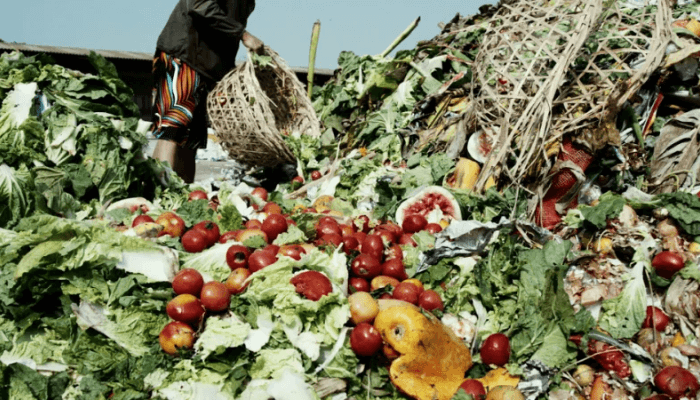
Every September 29, the world marks the International Day of Awareness of Food Loss and Waste, a reminder of one of the gravest contradictions of our time: while millions go hungry daily, tonnes of edible food are wasted or lost before reaching consumers. For Nigeria, a country where food security remains a pressing challenge, this day calls for deep reflection and urgent action.
According to the Food and Agriculture Organization (FAO), one-third of the food produced globally is lost or wasted. In Nigeria, the problem is particularly acute, not because of excessive consumption but due to weak infrastructure, poor storage facilities, post-harvest handling inefficiencies, and lack of proper market systems. Estimates suggest that Nigeria loses between 30 to 50 percent of its crops annually after harvest, with tomatoes, yams, fruits, vegetables, and grains being the most affected.
This waste is not just an economic loss; it is a social and moral failure. Nigeria is still grappling with alarming levels of hunger and malnutrition. The Global Hunger Index consistently ranks the country in the “serious” category. Millions of children are stunted due to poor nutrition, while families in rural and urban areas alike struggle to put food on the table. Against this backdrop, allowing vast quantities of food to rot in fields, markets, and warehouses is simply indefensible.
The economic implications are equally disturbing. Agriculture contributes significantly to Nigeria’s GDP and employs a large percentage of the population; yet post-harvest losses erode farmers’ incomes and discourage productivity. With the current food inflation crisis, minimising waste could help stabilise prices and ease the burden on households already stretched by rising costs.
The responsibility to curb food loss and waste must be shared across all levels of society. Government must invest in rural infrastructure—roads, storage facilities, cold chains, and processing plants so that harvested produce can reach markets efficiently and in good condition. Farmers need training in improved harvesting and preservation techniques, while the private sector must step in with innovative solutions such as agro-processing, packaging, and distribution networks.
Equally important is consumer awareness. In urban households, careless buying habits, improper storage, and cultural attitudes toward leftovers contribute to avoidable waste. Behavioral change campaigns can encourage people to value food more, plan meals better, and donate excess food rather than discard it.
Nigeria cannot afford complacency. Reducing food loss and waste is central to achieving food security, reducing poverty, and meeting the Sustainable Development Goals (SDGs). The theme of this year’s International Day is not just a slogan; it is a call to action. For Nigeria, it is a chance to turn the tide, to value every grain harvested, every meal prepared, and every opportunity to feed its people.
A nation that wastes food in the midst of hunger undermines its future. The time to act decisively is now.

Saturday, October 24, 2026
Tackling Food Loss And Waste: A Call To Action For Nigeria