A maritime and energy expert, Mr Atiemoria Ebhodaghe, has called for data-driven solutions and deep operational reforms across Nigeria’s ports and marine logistics value chain to improve efficiency in the upstream energy sector.
Ebhodaghe, a Lead Strategic Consultant at Acepontis Ltd, spoke in Abuja, on the sidelines of the just – concluded ninth Nigeria International Energy Summit (NIES) 2026.
He said Nigeria’s marine logistics challenges were beyond infrastructure deficits and required coordinated regulatory, operational and cost-reduction reforms.
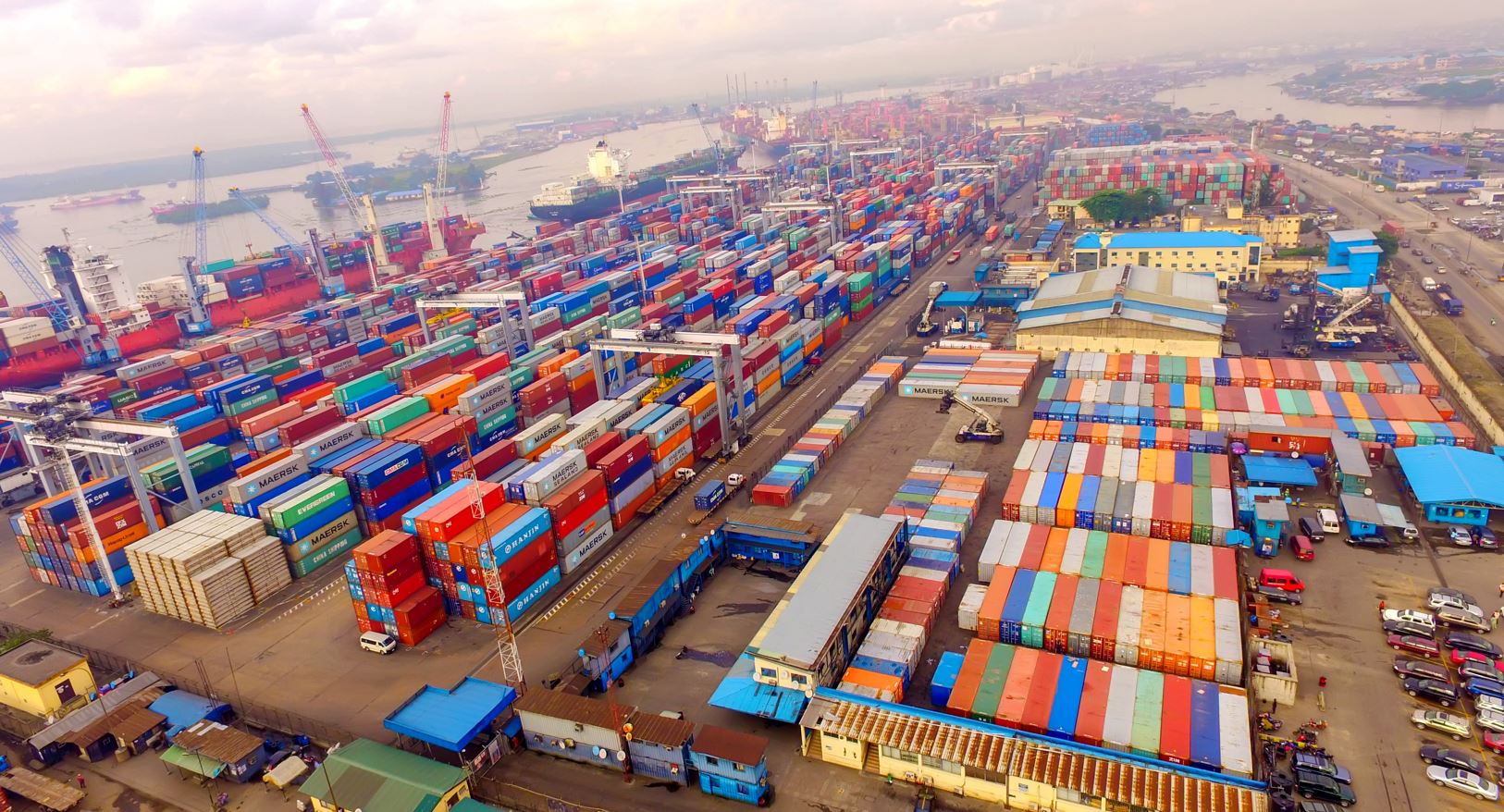
The expert also decried inefficiencies at Nigerian ports as a major drag on energy and maritime competitiveness.
While welcoming the federal government’s planned inauguration of the National Single Window (NSW), he warned that automation alone would not resolve delays if physical infrastructure and inter-agency coordination remain weak.
“Digitising documentation without fixing access roads, scanners and port operations is like installing the best operating system on a phone with a broken screen.
“Importers currently engage with more than a dozen regulatory agencies operating in silos,” he said.
Citing his doctoral research, Ebhodaghe said Nigeria’s major ports continued to rank poorly in global competitiveness assessments in spite of the country’s market size and strategic position in West Africa.
According to him, Acepontis operates an asset-light, strategy-focused model designed to address supply-chain bottlenecks by matching oil and gas operators’ vessel demand with compliant marine assets.
He explained that the firm goes beyond vessel brokerage by ensuring regulatory, statutory and operational compliance, while supporting vessel owners to upgrade assets where necessary.
“Marine logistics is a high-risk space where safety and compliance cannot be compromised.
“Crude lifting and offshore operations involve extensive pre-deployment planning, including vessel certification, draft requirements, tidal assessments and channel suitability.
“Crude lifting is not a supermarket transaction. Every operation is planned well in advance to avoid costly failures,” he said.
On local shipping development, Ebhodaghe called for targeted fiscal incentives for Nigerian vessel owners, including tax reliefs, reduced importation costs and improved access to finance.
He warned that forcing operators to cut vessel rates without addressing their cost base could undermine safety and regulatory compliance.
“When operating costs fall, vessel rates fall naturally and production costs decline, but forced reductions only weaken compliance,” he said.
Acepontis Ltd which was founded in 2025, was established to address structural gaps in Nigeria’s marine logistics ecosystem.

Saturday, September 26, 2026
Expert Seeks Data-driven Marine Logistics, Port Reforms