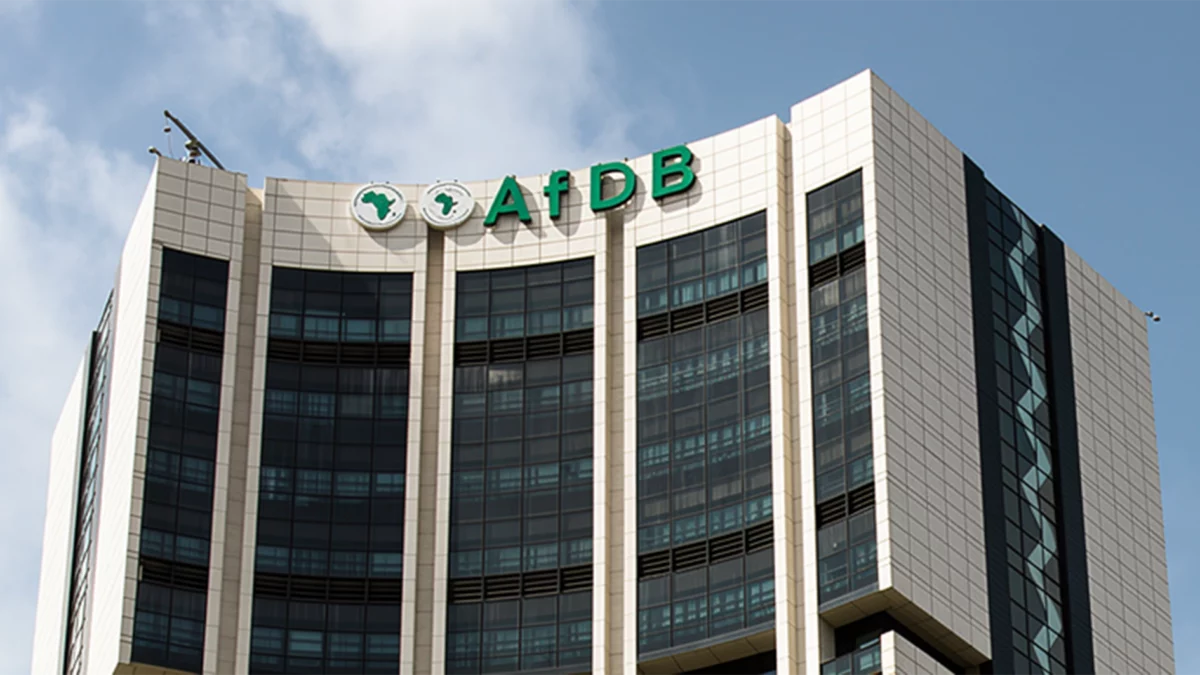
The 2026 Annual Meetings of the African Development Bank Group have opened in Brazzaville, Republic of Congo, with more than 3,000 delegates converging on the capital to deliberate on Africa’s widening development financing gap estimated at $400 billion annually.
The gathering, scheduled from May 25 to May 29, brings together representatives from 81 member countries of the African Development Bank, alongside finance ministers, central bank governors, private sector leaders and development partners.
This year’s edition is the 61st Annual Meeting of the AfDB and the 52nd meeting of the African Development Fund, the bank’s concessional lending arm focused on low-income and fragile economies across the continent.
At the centre of discussions is Africa’s persistent financing shortfall, estimated at $400 billion per year, which continues to constrain investments in infrastructure, energy, climate adaptation, food security and job creation across the continent.
The theme for the 2026 meetings, “Mobilising Africa’s Development Financing at Scale in a Fragmented World,” reflects mounting pressure from global economic fragmentation, declining development assistance, and tighter international credit conditions.
A major focus will be the New African Financial Architecture for Development (NAFAD), a framework designed to mobilise Africa’s estimated $4 trillion in domestic institutional assets, including pension funds and sovereign wealth resources, for development financing.
The initiative, endorsed by African Union leaders at a summit in Addis Ababa in February 2026, is being positioned as a long-term strategy to strengthen Africa’s financial independence and reduce reliance on external capital flows.
The meetings are also taking place under the leadership of Sidi Ould Tah, who assumed office in September 2025 and has prioritised expanding concessional financing and deepening resource mobilisation efforts.
A key highlight of the Brazzaville programme will be the launch of the 2026 African Economic Outlook report on May 26, offering updated macroeconomic forecasts and policy guidance for African economies navigating global uncertainty.
The outcomes of the meetings are expected to shape how the continent responds to its widening financing gap, as policymakers seek to translate proposals into scalable investment flows.