The Universal Basic Education Commission (UBEC) has introduced revised minimum standards for basic education infrastructure to end substandard construction and ensure safer, stronger and climate-resilient school buildings across the country.
The commission said the standards would guide the planning, design, construction, supervision and maintenance of school facilities to improve their quality, durability and safety.
The Director of Physical Planning, UBEC, Architect Nura Ibrahim, disclosed this yesterday during a one-day capacity-building workshop for technical officers of UBEC and State Universal Basic Education Boards in the Northern Zone, held in Kano.
Ibrahim, who represented the Executive Secretary of UBEC, Dr Aisha Garba, said the framework was developed in collaboration with the United Nations Children’s Fund (UNICEF) and other stakeholders to address the poor state of school infrastructure.
He said the commission observed that some recently constructed school buildings deteriorated within two years, unlike older structures built decades ago, prompting the need for minimum construction standards.
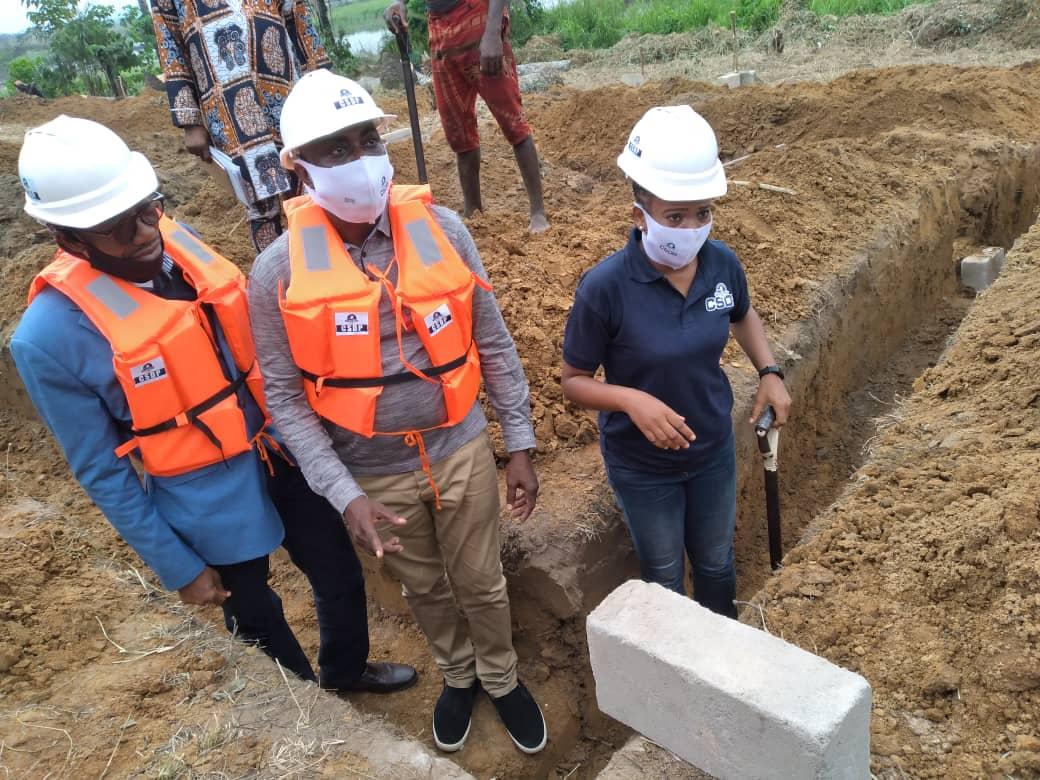
He explained that the standards covered building foundations, structural components, school environments, furniture, water supply, sanitation facilities, playgrounds and fire safety.
According to him, the framework establishes minimum requirements that no basic education construction project should fall below, while states are free to adopt higher standards.
Ibrahim said the workshop was aimed at equipping engineers, directors and other technical officers of SUBEBs with the knowledge and skills to implement the standards and ensure compliance in school construction and renovation projects.
While urging stakeholders to incorporate climate-resilient measures into school construction, particularly those addressing flooding, extreme heat, erosion, water scarcity, ventilation and energy efficiency, the UBEC Executive Secretary also warned that unsafe classrooms, inadequate sanitation, poor accessibility and unsuitable learning environments could undermine teaching, learning and children’s well-being.
In his remarks, the Executive Chairman of Kano SUBEB, Malam Yusuf Kabir, represented by the Director of Development Programmes, Nura Ibrahim, commended UBEC for the initiative, describing it as timely.
Kabir called on UBEC to consider using part of the two per cent project monitoring fund to provide quarterly training for technical officers, subject to relevant guidelines and approvals.
He said continuous training would improve project monitoring, enable officers to identify construction defects and strengthen accountability in infrastructure delivery.