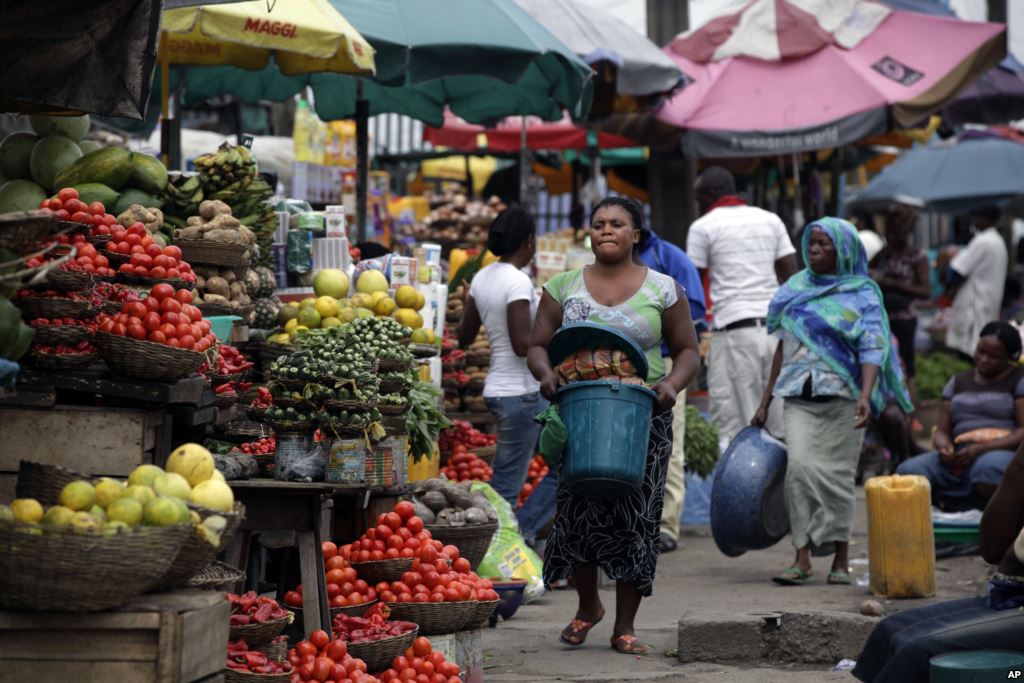
Small business owners in the Federal Capital Territory (FCT) are urging the government to implement policies to ease operational pressures, citing rising costs, declining consumer purchasing power, and volatile market conditions.
Mrs. Funke Adeyemi, a food vendor in Jikwoyi, said transport costs and soaring food prices have significantly reduced daily sales. “Government should target subsidies or incentives for productive sectors rather than blanket support,” she said, adding that smaller product sizes and alternative sourcing are key survival strategies.
Cloth retailer Mrs. Ada Okeke of Nyanya Market described shrinking margins despite steady customer traffic. She called for inflation control, stable power supply, and policies promoting local production to boost investor confidence.
Mr. Ibrahim Musa, operating four food outlets, said he had to close two shops, reduce staff, and diversify income streams to stay afloat. “If I increase prices too much, customers reduce. If I don’t, I make losses,” he said.
Mrs. Funke Adewale, a bakery owner, noted that introducing smaller product sizes maintained sales despite lower profits. Electronics dealer Mr. Joseph Ojo highlighted challenges with unstable electricity, high fuel costs, and limited affordable credit, calling for targeted SME support programs.
Economic analysts Dr. Samuel Nwoye and Dr. Chinedu Amadi, emphasised that small businesses remain vulnerable during economic instability. They recommended structural reforms, stable exchange rates, targeted subsidies, tax incentives, infrastructure investment, and low-interest loans to prevent closures and sustain employment.
Analysts argued that with these interventions, small businesses could navigate hardships, sustain jobs, and contribute meaningfully to national economic recovery.

Tuesday, March 31, 2026
Business Owners Call For Policy Support Amid Economic Hardship