
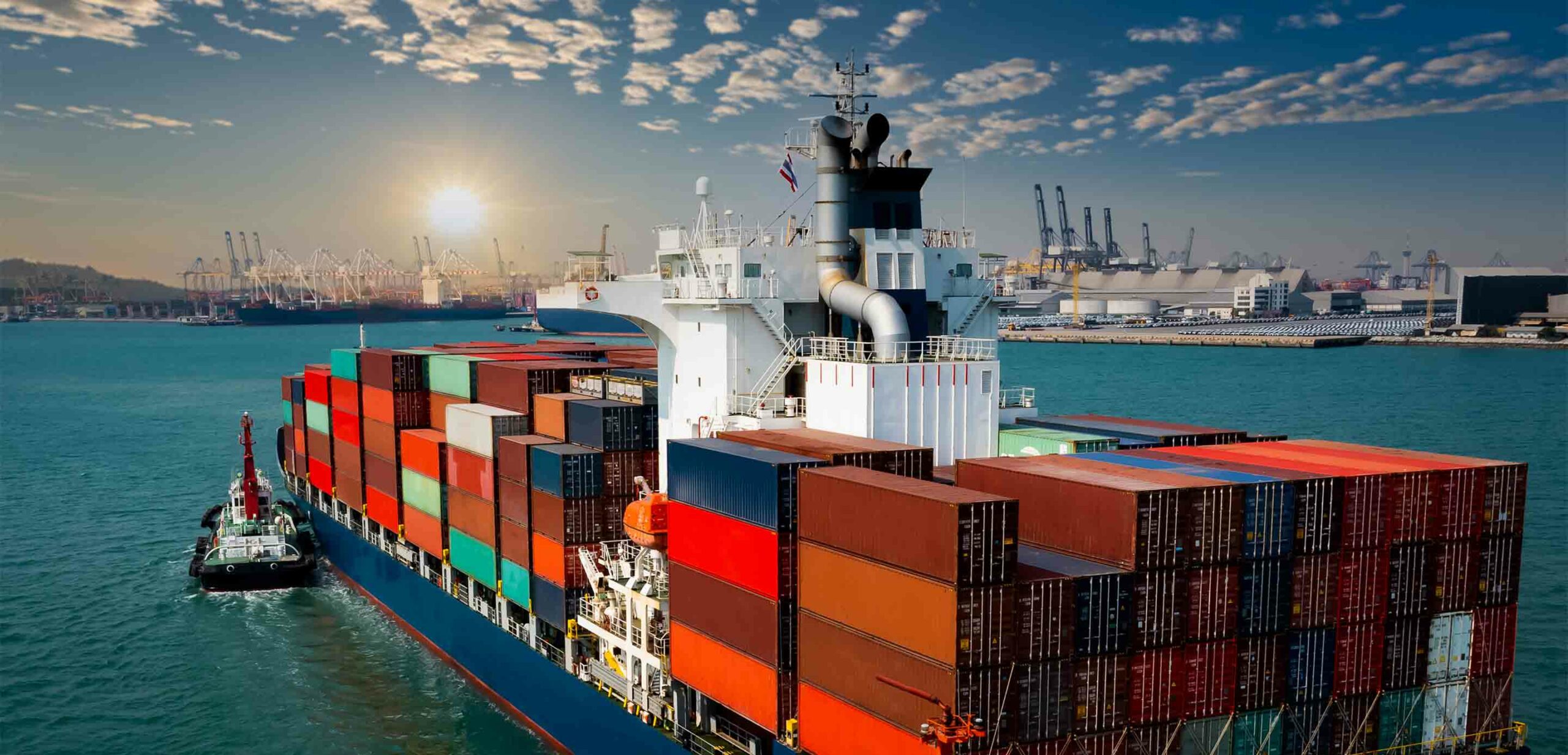
Nigeria’s seaports are steadily losing ground to regional rivals, with Lomé in Togo and Tema in Ghana emerging as faster, cheaper, and more efficient alternatives, according to a new report by the Sea Empowerment and Research Center (SEREC).
In its 2025 Maritime Outlook communiqué released in Abuja, SEREC revealed that vessel turnaround and cargo dwell times in Nigerian ports remain far longer than regional benchmarks. While Lomé averages two to three days for vessel turnaround and Tema three to four days, Nigerian ports take five to seven days. Cargo dwell time is equally concerning: 10 to 18 days in Nigeria versus seven to 10 days in Lomé and Tema, and well above the global standard of three to five days.
“This prolonged dwell time is caused by multiple agency inspections, duplicated documentation, and partial automation, which continue to erode Nigeria’s port competitiveness,” said Mr. Eugene Nweke, Head of Research at SEREC.
Importers and shipping companies confirm the toll. Freight operators in Lagos report that arbitrary charges, high terminal handling fees, and overlapping levies make Nigerian ports among the most expensive in West Africa. “It’s faster and cheaper to send shipments through Lomé or Tema,” said one importer. “We’re losing both time and money by staying in Nigeria.”
While truck turnaround improved to 24–48 hours in Lagos corridors, high call-up costs, fragmented intermodal systems, and weak digitalisation continue to drag efficiency down. Investigators found that human intervention still accounts for 60–70 per cent of cargo clearance processes, compared with less than 30 per cent in Lomé and Tema. Nigerian ports operate across more than 15 separate trade platforms, many of which do not communicate, creating delays and unnecessary bureaucracy.
Security remains one of the few bright spots: zero piracy incidents were recorded in 2025, reinforcing adherence to international maritime standards. However, analysts warn that security gains cannot compensate for operational inefficiency, which drives cargo away and erodes investor confidence.
SEREC’s report highlights partial reforms, including the wider deployment of scanners, expansion of the Authorised Economic Operator programme, and post-clearance audits, but stresses that policy intentions have yet to translate into measurable performance outcomes. The centre urged the government to accelerate reforms by reducing port costs and levies, consolidating automation and the National Single Window, ensuring FX stability for trade predictability, and strengthening intermodal transport integration.
Without these measures, SEREC warns, Nigeria risks further trade diversion to Lomé and Tema, weakening its regional trans-shipment potential and maritime dominance.
“The maritime sector is at a crossroads,” Nweke said. “Nigeria’s ports have security and partial efficiency gains, but inefficiency, high costs, and weak digitalisation risk further eroding competitiveness. Bold, measurable action is needed to reclaim our position in the sub-region.”
As Lomé and Tema continue to modernise and streamline operations, the message is clear: Nigeria must move from policy rhetoric to tangible reform or watch regional competitors capture the trade its ports were designed to serve.