
Nigeria’s external reserves rose to $49 billion in February 2026, marking a 4.93 per cent increase and signaling growing confidence in the economy, analysts said. The increase comes amid ongoing foreign exchange reforms implemented under President Bola Tinubu’s administration.
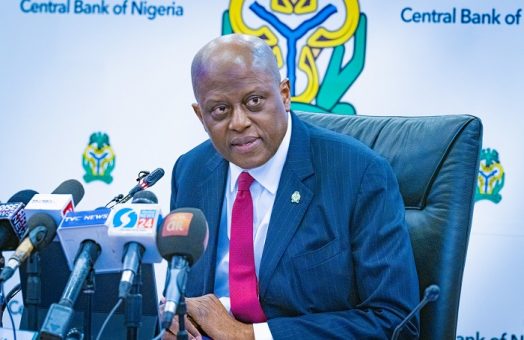
Central Bank of Nigeria governor, Yemi Cardoso, described the rise from $46.7 billion as a significant turnaround for the apex bank, noting that the stronger reserve position is helping stabilise the foreign exchange market, reduce speculative pressures, and boost investor confidence.
Prof. Ken Ife, Lead Consultant on Private Sector Development at the ECOWAS Commission, highlighted that the increase in reserves strengthens the naira and supports new economic growth opportunities. He cited rising output from the Dangote Petroleum Refinery—producing fertiliser, polypropylene, aviation fuel, and gas—which could generate around $20 billion in export revenue.
Dr. Muda Yusuf, CEO of the Centre for the Promotion of Private Enterprise (CPPE), added that the strengthened reserves are already supporting exchange rate stability and easing inflationary pressures, calling for continued momentum through higher oil production and enhanced non-oil foreign exchange inflows.
Prof. Uche Uwaleke of Nasarawa State University explained that much of the reserves are derived from oil earnings converted to naira, supplemented by portfolio investments and foreign loans. He noted that reduced dollar demand from lower oil imports has also contributed to reserve growth, but warned that excess accumulation should be carefully managed to avoid distortions.
Financial analyst Kunle Akinola, cautioned that while foreign reserves are critical, they are not a standalone development strategy. “The true measure of economic performance is the living standards of citizens. Reserves, export earnings, and FDI contribute by stimulating investment and aggregate demand,” he said.
Economists agree that the rising reserves mark a significant economic turnaround. Sustained reforms, rising exports, and controlled foreign currency demand position Nigeria to maintain exchange rate stability, ease inflationary pressures, and stimulate growth across productive sectors.