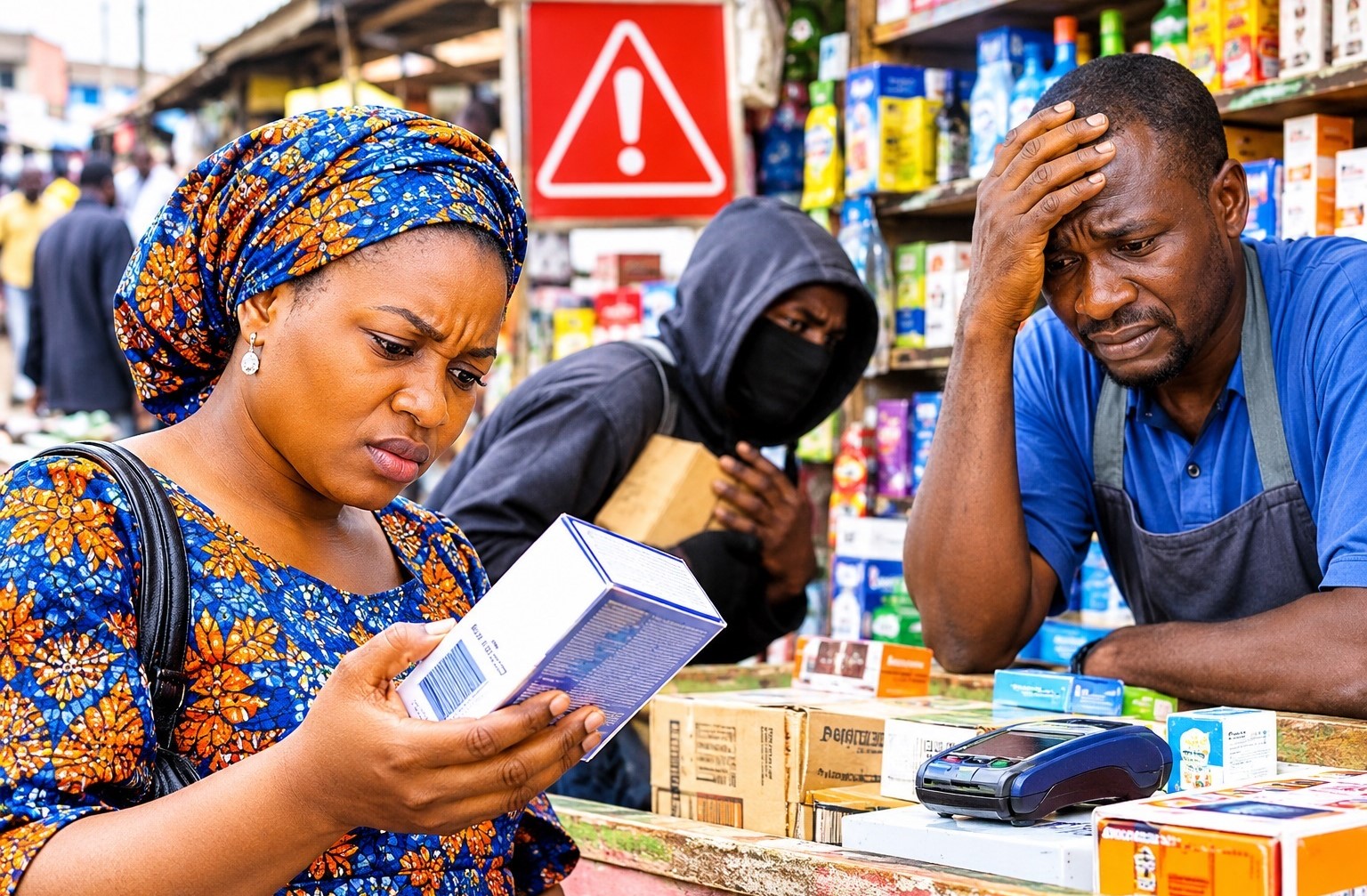
The circulation of counterfeit and non-compliant mobile phones poses risks to consumer spending and legitimate businesses in Nigeria’s electronics market, as the Nigerian Communications Commission (NCC) introduces stricter device verification requirements for phones entering the country and those sold through local outlets.
The Commission’s Device Checker, which took effect on October 7, 2026, allows consumers to check whether a phone has met applicable Type Approval and device verification requirements through the *315# service or the NCC’s official online portal.
For a market where buyers weigh price against brand, durability and performance, the initiative could help reduce uncertainty over the devices they purchase. It also places greater responsibility on importers, distributors and retailers to ensure that products meet regulatory requirements before reaching customers.
However, the economic impact will depend on how effectively the system distinguishes compliant devices from non-compliant ones, limits fraudulent supply and provides a clear route for resolving verification problems.
A counterfeit phone can expose a buyer to losses when its actual quality, specifications or performance differ from what the seller advertised. Where devices fail prematurely or cannot be repaired easily, consumers may incur additional replacement costs.
For legitimate dealers, the sale of imitation products can create unfair competition, particularly when traders offering genuine devices must compete with sellers whose products may be cheaper because they do not meet the same standards or compliance obligations.
A technology market analyst, identified here as Mr Tunde Akinwale, said device verification could improve confidence in the market if it helped buyers distinguish compliant products from questionable stock.
“When customers cannot easily establish whether a phone is genuine, they may make decisions based mainly on price. A reliable verification process can improve transparency, but it must be supported by action against suppliers that deliberately misrepresent their products,” he said.
The new framework could also change stock management for businesses that import or distribute phones. The NCC requires relevant businesses to ensure that device models have Type Approval and that applicable individual devices complete verification using their International Mobile Equipment Identity (IMEI).
The Commission’s guidance further requires businesses involved in importing, distributing and selling applicable communications devices to hold the relevant licences and resolve outstanding compliance issues before supplying affected stock.
For dealers, this means that supplier documentation, inventory records and verification checks could become more important in managing commercial risks.
A smartphone trader at Ikeja Computer Village, identified here as Chinedu Okafor, said customers were increasingly concerned about the authenticity of expensive devices, particularly when buying phones from unfamiliar sellers.
“Customers want value for their money. If a buyer discovers after payment that a phone does not meet the required standards, it can create disputes for both the customer and the trader. Checking devices before sale could reduce some of these problems,” he said.
Another dealer, identified as Aisha Bello, said affordability remained a major consideration for buyers, particularly those seeking second-hand phones or lower-priced alternatives to premium models.
“Some customers choose a phone because the price is attractive. They may not know how to identify an imitation or understand its history. The verification system can help, but traders also need clear information on how to check stock and resolve a failed verification,” she said.
However, for a phone sales vendor, Kamal Aje, highlighted that the verification process could cause a spike in the prices of phones as the phone verification policy has triggered opposition from phone traders, who fear that disputed fees could increase handset prices and make devices more expensive for Nigerians.
As he stated, the Association of Mobile Phones and Allied Products Traders of Nigeria (AMPAT) is urging a three-month halt to the levies, with the group maintaining that such fees could inflate handset prices, intensify burdens on small-scale enterprises, and jeopardise livelihoods within the mobile phone sector. The disagreement hinges on the expense of implementing the verification scheme, the clarity surrounding the fees, and the NCC’s bid to curb the influx of counterfeit and substandard devices into the Nigerian market.
He noted that, per his investigations, retailers were being levied approximately N670 on smaller handsets and almost N4,000 on larger ones. He, however, cautioned that the levies could disproportionately affect budget-friendly devices, which numerous Nigerians depend upon for communication, mobile banking, and education.
Hence, the NCC has justified the verification framework by citing consumer protection and network quality concerns. It contends that verifying devices helps purchasers steer clear of counterfeit or substandard products that may fail to deliver the value they anticipate.
While stricter enforcement could protect consumers and legitimate dealers, the transition may also create compliance costs for businesses that need to review existing inventory, update records or resolve verification problems with suppliers.
The NCC’s guidance provides a process for businesses to submit device information, including IMEI numbers, through its verification platform. Devices with unresolved compliance issues should not be supplied or sold until the problems have been addressed. The commission also states that an unsuccessful verification does not, by itself, establish that a device is counterfeit, as this distinction will matter for traders holding legitimate stock whose records may require correction or additional confirmation. Clear procedures and timely regulatory support would help avoid unnecessary disruption to compliant businesses while preserving enforcement against deliberate violations.
A telecommunications equipment specialist, Engineer Ibrahim Lawal, said verification should be combined with inspection and supply-chain monitoring because an IMEI check does not establish the condition or authenticity of every component in a phone.
“Device verification can help identify compliance problems, but buyers should still inspect the handset and obtain proof of purchase. Regulators must also investigate suppliers where there is evidence of counterfeit products or cloned identifiers,” he said.
The NCC’s framework is based on existing legal requirements under the Nigerian Communications Act 2003 and the Nigerian Communications (Type Approval) Regulations 2024. Its latest measures strengthen monitoring rather than create the underlying Type Approval obligation for the first time.
For the wider market, effective implementation could help reduce the commercial advantage enjoyed by sellers of non-compliant products, improve confidence in retail transactions and encourage more reliable sourcing practices.
However, the initiative will not eliminate consumer risk on its own. A device that passes verification may still have undisclosed defects, unauthorised repairs or components that do not match the seller’s claims. Buyers must therefore continue to assess the phone’s condition and purchase from reputable dealers.
According to the experts, the regulators will also need to work with importers, manufacturers, customs authorities, market associations and online marketplaces to identify questionable devices before they reach consumers.
Consequently, for Nigeria’s mobile-device market, the key economic test is whether tighter checks can protect buyers without imposing unnecessary delays on compliant traders. If enforcement is consistent and verification problems are resolved fairly, the system could help strengthen trust in the market. If not, legitimate businesses may face additional uncertainty while consumers continue to shoulder the cost of poor purchasing decisions.

Sunday, November 8, 2026
Importers, Dealers Face Stricter Checks As Fake Phones Persist