National Economy
Tuesday, June 9, 2026
No Result
View All Result
  • Home
  • News
    • International Business
  • Lead-In
    • Cover
    • Investigation
  • Energy
  • Economy
    • Nigerian Economy
    • Fiscal Policy
    • Agri Business
    • Transportation
    • Industry
    • Competition
    • Homes & Property
    • Insurance
    • Companies & Markets
      • Companies
      • Capital Market
  • Tech
  • States & Politics
  • Commentary
    • Analyst
    • Business Matters
    • All Angles Considered
    • ClickSend
  • Editorial
  • Data
  • Others
    • Opinion
    • Analysis
    • Money Guide
    • Growth
    • Sport Economy
News
National Economy
No Result
View All Result
  • Home
  • News
  • Lead-In
  • Energy
  • Economy
  • Tech
  • States & Politics
  • Commentary
  • Editorial
  • Data
  • Others

Hot Money Dominates Nigeria’s $5.6billion Q1 Capital Inflows

by Ngozi Ibe and Justin Ibeh
August 7, 2025
in Business, News
Money,Q1

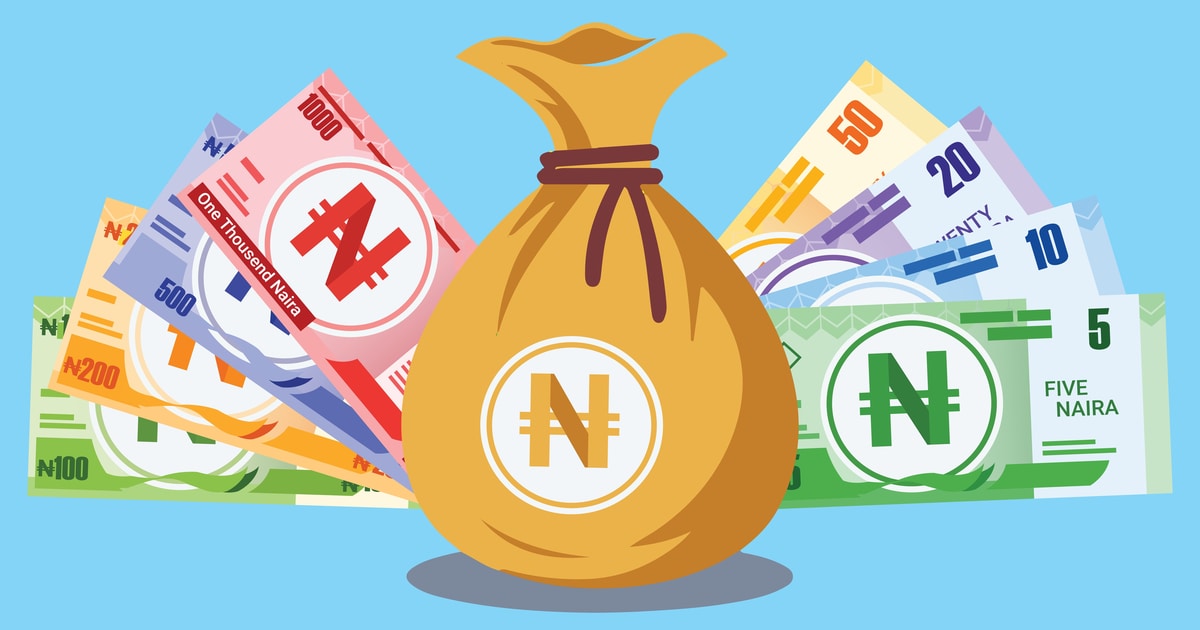
Foreign capital inflows into Nigeria surged to $5.64 billion in the first quarter of 2025, but over 90 per cent of that figure was driven by short-term speculative investments, according to new data from the National Bureau of Statistics (NBS).

The capital inflow marks a 67 per cent increase year-on-year but is heavily skewed toward “hot money” largely attracted by high yields on money market instruments.

About $4.21 billion, or 74.6 per cent, was invested in OMO bills and Treasury Bills issued by the Central Bank of Nigeria (CBN). Another $877.41 million went into government bonds, while just $126.29 million was recorded as foreign direct investment (FDI).

Analysts warned that this pattern reflects a structural imbalance. “Nigeria is relying too heavily on speculative capital inflows to stabilize the naira instead of building long-term productive capacity,” said one Lagos-based economist.

The CBN’s hawkish monetary stance—with interest rates reaching record highs—has helped attract foreign investors eager for double-digit yields. Yields on some CBN instruments are as high as 25 per cent.

YOU MAY ALSO LIKE

Brand Drives Football Engagement Campaign

FCCPC Clarifies Airtime Regulation Position, Suspends DEON Enforcement

But the heavy reliance on portfolio inflows exposes the economy to volatility, especially in the event of shifts in global monetary conditions or domestic political risks.

Despite the short-term boost, the country still struggles to attract sustainable FDI that can create jobs and support economic growth.


 

Author

  • Olushola Bello
    Olushola Bello

Tags: moneyQ1
ShareTweetShare

OTHER GOOD READS

Brand Drives Football Engagement Campaign
News

Brand Drives Football Engagement Campaign

1 day ago
FCCPC Clarifies Airtime Regulation Position, Suspends DEON Enforcement
News

FCCPC Clarifies Airtime Regulation Position, Suspends DEON Enforcement

1 day ago
Farmers Lament $2.34bn Import Bill, Seek Improved Farm Security
News

Farmers Lament $2.34bn Import Bill, Seek Improved Farm Security

1 day ago
Next Post

Many Abandoned Abuja Estates Owned By Corrupt Civil Servants', Says EFCC Chair

© 2025 | National Economy Newspaper | All Rights Reserved

No Result
View All Result
  • Home
  • News
    • International Business
  • Lead-In
    • Cover
    • Investigation
  • Energy
  • Economy
    • Nigerian Economy
    • Fiscal Policy
    • Agri Business
    • Transportation
    • Industry
    • Competition
    • Homes & Property
    • Insurance
    • Companies & Markets
      • Companies
      • Capital Market
  • Tech
  • States & Politics
  • Commentary
    • Analyst
    • Business Matters
    • All Angles Considered
    • ClickSend
  • Editorial
  • Data
  • Others
    • Opinion
    • Analysis
    • Money Guide
    • Growth
    • Sport Economy

© 2025 | National Economy Newspaper | All Rights Reserved