The Hydrocarbon Pollution Remediation Project (HYPREP) has warned that illegal artisanal refining and indiscriminate destruction of mangroves could undermine environmental recovery efforts in Ogoniland, calling for stronger community participation in protecting restored ecosystems.
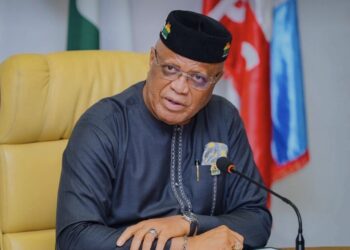
The Project Coordinator, Prof. Nenibarini Zabbey, gave the warning when he received a coalition of civil society organisations under the CORDAID Strategic Partnership, which visited project sites in Rivers State.
Zabbey stressed that the success of the ongoing cleanup programme depended not only on removing existing pollution but also on preventing fresh environmental contamination.
He urged civil society organisations to intensify grassroots advocacy against illegal refining, destructive exploitation of natural resources and unsustainable fishing practices, while promoting responsible mangrove harvesting and environmental conservation.
The HYPREP coordinator noted that the reappearance of aquatic organisms, including different species of crabs, in previously polluted water bodies indicated improvements in ecological conditions.
He, however, warned that such progress could be reversed if communities continued activities capable of introducing fresh environmental damage.
Zabbey called on the organisations to support alternative livelihood opportunities that would discourage residents from engaging in environmentally harmful activities.
He identified ecotourism, carbon stock assessment and climate finance as potential sources of economic opportunities for local communities while promoting environmental sustainability.
He also stressed the importance of protecting Ogoni’s mangrove wetlands, following their designation as a Ramsar Site of international importance.
According to him, HYPREP is adopting remediation approaches that combine internationally recognised technologies with methods suited to the environmental and sociocultural realities of Ogoniland.
He added that the institutional frameworks and restoration models being developed could serve as reference points for addressing oil pollution in other parts of the Niger Delta and affected communities across Nigeria.
Earlier, CORDAID Consultant, Tolese Olatinwo, said the coalition’s visit provided an opportunity to assess the progress of the cleanup programme and strengthen advocacy following about five years of engagement on environmental restoration, alternative livelihoods and community participation.
Olatinwo said members were encouraged by developments at the K-Dere Water Facility, Ogoni Specialist Hospital and other project locations.
He added that the coalition would review its previous advocacy scorecard and establish new targets for collaboration with HYPREP.
Also speaking, Executive Director of the Kabetkache Centre for Women Development, Dr Emem Okon, expressed satisfaction with women’s inclusion in the cleanup programme and the progress recorded in livelihood interventions.
Okon said her organisation would build on an earlier livelihood needs assessment conducted among women in Ogoniland to identify additional areas requiring support.
She disclosed that the coalition would also engage partners, including the Dutch Embassy, to present its findings and develop a renewed advocacy framework for sustaining the cleanup programme.
The delegation visited the K-Dere Water Facility, Ogoni Specialist Hospital and the mangrove restoration site at Bomu, where members participated in a symbolic mangrove planting exercise.