A personal reading challenge has grown into a wider conversation about culture, identity and Nigeria’s reading habits, as the Korean Cultural Centre Nigeria (KCCN) builds a community around Korean literature in Abuja.
Habiba Sharon, Culture Event Assistant and Admin, began her journey in December 2025 to read 200 books in a year. Han Kang’s The Vegetarian was her first pick. It soon led her to more Korean novels and questions about the culture and history behind their stories.
Through its monthly Korean Literature Book Discussion, KCCN is turning that curiosity into shared conversations, exploring how Korean stories reflect experiences familiar to Nigerian readers.
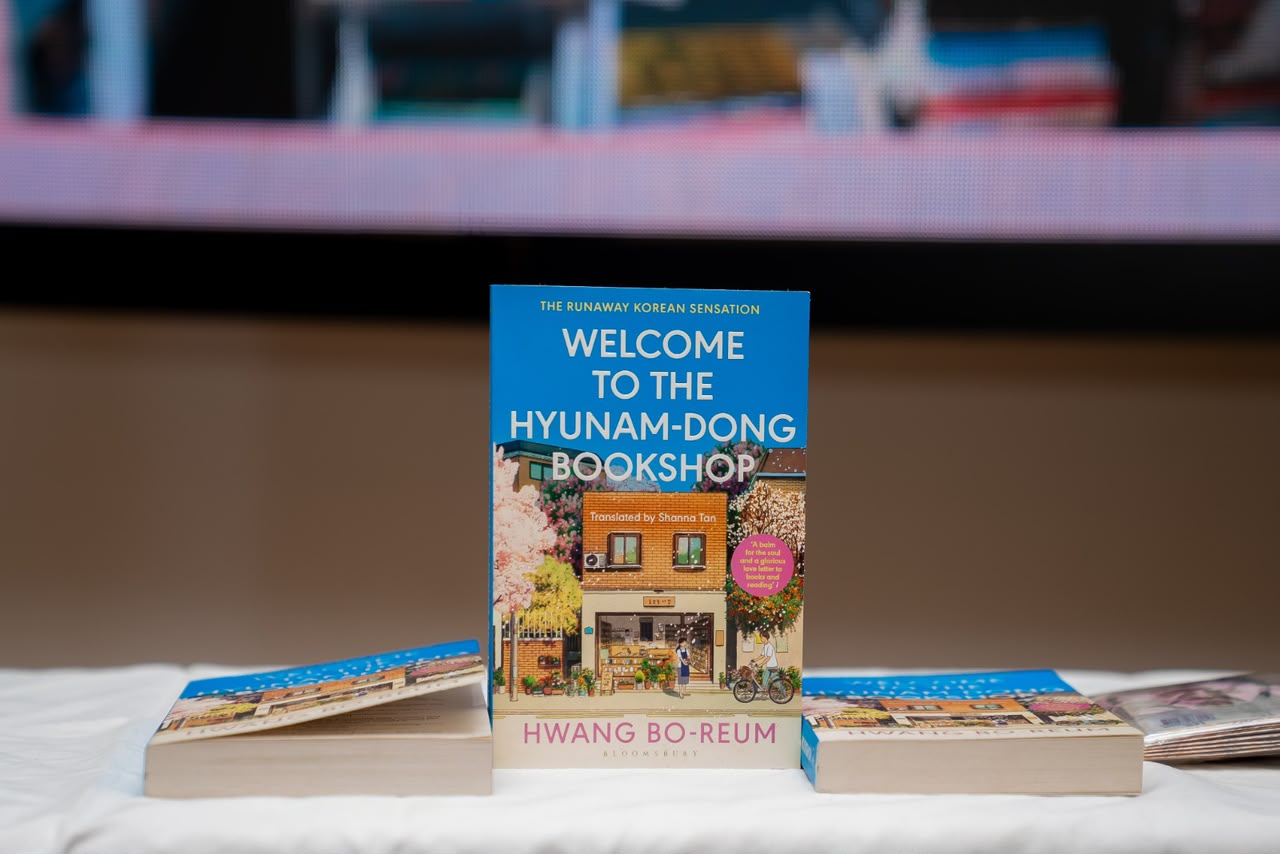
The discussions have featured works including The Vegetarian, Choi Eun-young’s Shoko’s Smile, Cho Nam-joo’s Kim Jiyoung, Born 1982 and Hwang Bo-reum’s Welcome to the Hyunam-dong Bookshop.
From friendship and memory to gender expectations and public harassment, the books have prompted participants to examine social realities across both countries.
The discussion of Welcome to the Hyunam-dong Bookshop also brought a Nigerian perspective through Victoria Emmanuel Okoida, founder of FantasyBook Café, who shared how a childhood love of reading led her to become a teacher before opening her bookshop.
Okoida challenged the notion that Nigerians do not read, pointing to the readers and communities sustaining interest in books. However, she called for stronger government investment in reading infrastructure, urging authorities to establish public libraries across local government areas.
“Every local government needs a library,” she said, arguing that access to books should not depend on the ability to purchase them.
The KCCN programme seeks to deepen cultural exchange through literature, moving beyond the country’s popular music, films, food and television dramas to explore its written stories and ideas.
Yu Jin Lee, Events Manager and Book Conversation Supervisor, oversees the book discussion programme, which continues with Shin Kyung-sook’s Please Look After Mom on October 29, 2026, followed by Sohn Won-pyung’s Almond in November.
The Centre also welcomes collaboration with book clubs and literary communities in the Federal Capital Territory.
As the discussions grow, the initiative is showing how stories from another country can spark conversations about shared experiences, while helping nurture Abuja’s literary community.