
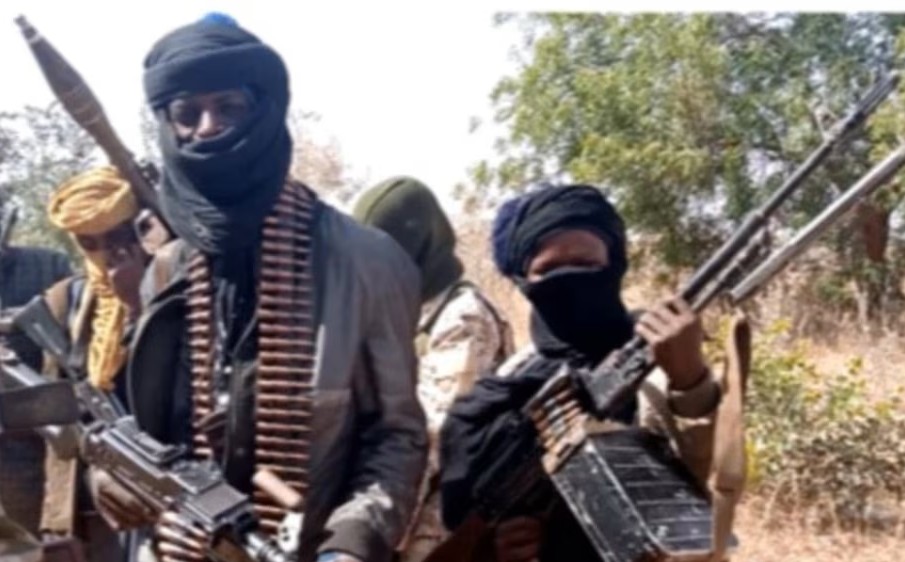
The kidnapping and death of retired Major General Rabe Abubakar has become more than another tragic headline from Northern Nigeria. It is now a frightening national symbol of a country where insecurity has grown so widespread that even those once entrusted with defending the nation are no longer safe.
Even more heartbreaking is the suffering left behind. While the nation mourns the late general, reports indicate that his wife remains hospitalized following the traumatic ordeal. Their story is a painful reminder that every act of violence extends far beyond the immediate victim, leaving families emotionally, psychologically and physically devastated. In Nigeria’s worsening security crisis, entire households—not just individuals—are paying the price.
For years, Nigerians have lived under the shadow of banditry, terrorism, kidnappings and violent attacks. Communities across Kaduna, Zamfara, Katsina, Niger, Sokoto and Borno states have watched criminal networks evolve from scattered armed groups into deeply entrenched threats operating with alarming confidence.
But when retired generals become victims, the crisis takes on a different meaning.
General Rabe was not an ordinary citizen. He served Nigeria honourably as a senior military officer and former Defence spokesperson. Yet, despite decades of national service, he reportedly died in captivity after being abducted by armed criminals. The painful irony is impossible to ignore: a man who once represented the Nigerian military could not be protected by the Nigerian state.
His death joins a disturbing pattern over the last decade in which both serving and retired senior military officers have been attacked or killed by terrorists and armed criminal groups.
In April 2026, Brigadier General Oseni Olatunji Braimah, an active-duty Nigerian Army commander, was reportedly killed when suspected ISWAP and Boko Haram fighters launched a coordinated overnight assault on a military base in Benisheikh, Borno State. Several soldiers also lost their lives during the attack.
In addition, several senior officers have been killed in combat over the past decade during counter-insurgency operations in the North-East, including Major General Idris Alkali (retired), whose death followed his disappearance under tragic circumstances in 2018, and other senior commanders who lost their lives while leading troops against insurgents. These incidents underscore the enormous sacrifices made by Nigeria’s military while also exposing the persistent security challenges confronting the nation.
Beyond the killings themselves lies another troubling reality—the growing insecurity experienced by military families, religious minorities and vulnerable communities across the country.
One example is the Dikko family. Following the retirement of the family’s patriarch from the Nigerian military, he became actively involved in Christian and humanitarian advocacy, particularly among converts and minority Christian communities in Northern Nigeria. According to the family’s account, this work attracted sustained threats, intimidation and acts of hostility.
The family reportedly endured repeated security concerns, destruction of property and persistent intimidation serious enough to force the children into protected school dormitories for their safety. Even then, fears remained after incidents suggested they were being monitored. As the threats to their lives and properties intensified, the children eventually left Nigeria in 2019 in search of safety.
Sadly, theirs is not an isolated story.
Across Northern Nigeria and other parts of the country affected by insecurity, countless families are making painful decisions to send their children away, relocate internally or abandon homes and livelihoods in search of safety. Some are fleeing terrorism. Others are escaping kidnappings, ethno-religious violence, targeted intimidation or the collapse of local security structures.
Many no longer believe the state can adequately protect them.
This should concern every Nigerian regardless of ethnicity, religion or political affiliation.
A nation where farmers cannot cultivate their land, children cannot attend school safely, travellers fear using highways, communities live under constant threat, and even retired generals are vulnerable is a nation facing a profound security emergency.
Yet public reactions often follow a familiar and dangerous cycle. Tragedy strikes. Statements are issued. Condolences are offered. Investigations are promised. Then attention fades until another attack occurs.
Nigeria cannot afford to normalise fear.
The Federal Government must move beyond routine assurances and demonstrate measurable urgency. Intelligence gathering must improve. Criminal enclaves must be dismantled decisively. Security agencies must be better equipped, better coordinated and adequately supported. Those aiding criminal networks, whether through corruption or collaboration, must be identified and prosecuted without fear or favour.
At the same time, lasting solutions must address the underlying drivers of insecurity, including poverty, unemployment, poor education, weak governance and social exclusion that continue to fuel recruitment into violent criminal and extremist groups.
Force alone cannot heal a broken society.
The death of Major General Rabe Abubakar is not merely about one man. It represents thousands of Nigerians whose stories never make the headlines—villagers abducted from farms, students kidnapped from schools, travellers seized on highways, worshippers attacked during prayer, military personnel who continue to pay the ultimate price in defence of the nation, and families left traumatised by violence.
Nigeria owes its citizens more than sympathy.
It owes them security.
The true measure of any nation is not only how it honours its heroes after death, but how effectively it protects them, their families and every ordinary citizen while they are alive
Adelaja, a journalist, writes in from Lagos