
The federal government has commenced a six-week review of the new tax laws to address implementation challenges and unintended consequences arising from the reforms.
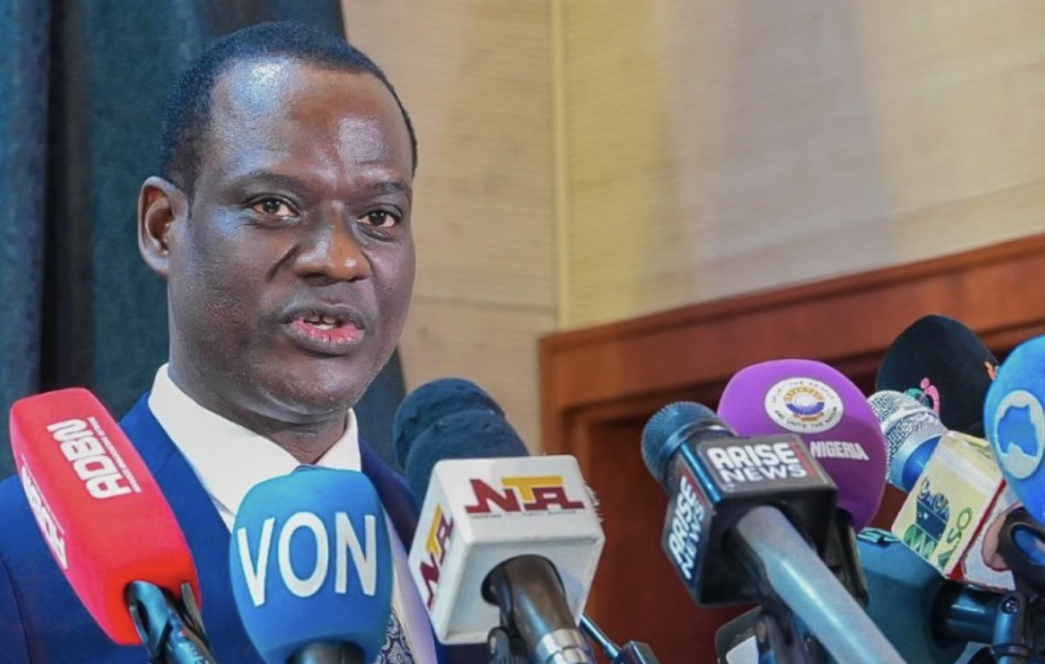
Minister of Finance and Coordinating Minister of the Economy, Taiwo Oyedele, disclosed this on Thursday in Abuja while inaugurating the technical subcommittee on fiscal policy and tax reforms.
Oyedele said the exercise would seek to improve clarity, simplicity, competitiveness and predictability within Nigeria’s fiscal system.
The country’s tax reforms culminated in four major laws that came fully into effect on January 1: the Nigeria Tax Act, Nigeria Tax Administration Act, Nigeria Revenue Service Establishment Act and Joint Revenue Board Establishment Act.
The minister said the Finance Bill 2027 should build on the 2025 reforms rather than rewrite their fundamental principles.
“The bill must respond to implementation challenges, unintended consequences and emerging economic realities,” he said.
Oyedele disclosed that the government received 134 submissions from across the six geopolitical zones during its public call for inputs.
The submissions covered areas including tax simplification, multiple taxation, digitalisation, data-sharing, taxpayer rights, refunds, small businesses and investment competitiveness.
He urged the subcommittee to assess the submissions objectively based on evidence, national interest and their potential economic impact.
The minister also directed members to consider the wider economic effects of revenue measures rather than focusing solely on revenue generation.
He said fiscal policies should promote investment, manufacturing, productivity, formalisation and value creation while reducing compliance costs and opportunities for arbitrage.
Oyedele urged the committee to consider the impact of proposed measures on low-income households, workers, small businesses, women and young people.
The subcommittee will review the Deduction of Tax at Source Regulations 2024 against the new tax laws and prepare revised withholding tax regulations.
Oyedele said withholding tax was an advance-payment and compliance mechanism.
The committee will also review the Companies Income Tax (Significant Economic Presence) Order 2020 and develop an updated framework aligned with the new laws and international best practices.
“The country must protect its taxing rights while remaining competitive for technology and cross-border investments,” he said.
Oyedele gave the subcommittee six weeks to complete and submit its report.
The Ministry of Finance, Ministry of Justice, Nigeria Revenue Service, Joint Revenue Board, Nigeria Customs Service, Small and Medium Enterprises Development Agency of Nigeria, private sector and professional bodies will collaborate in the exercise.
He said the Ministry of Justice would participate throughout the drafting process rather than only reviewing completed documents.
Oyedele directed members to maintain confidentiality of deliberations and disclose conflicts of interest.
He urged them to represent the national interest rather than narrow institutional interests.
According to the minister, the first phase of the reforms changed the architecture of the tax system, while the next phase would focus on making it work better.
He said the success of the exercise would be measured by the number of real problems solved rather than the number of legislative provisions changed.
Also speaking, Albert Folorunsho, co-chair of the technical subcommittee and chairman of the tax advisory committee, assured the minister of timely delivery of the mandate.
Folorunsho said the committee would prepare the Finance Bill 2027, review withholding tax regulations and examine the significant economic presence order.
He said the recommendations would be technically sound, administratively practicable and responsive to taxpayers, businesses and government.