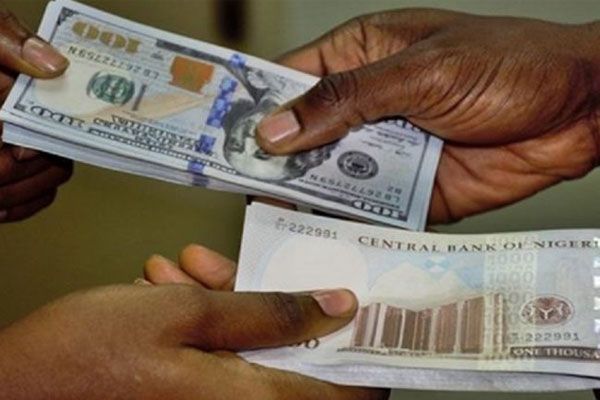
Bola left Nigeria five years ago. She needed the dollars. But she did not leave home. When Nigerians and other Africans relocate abroad, they still maintain strong connections to their homes and families. They do not forget their immediate communities. They keep in touch with families and friends.
Bola earned thousands of dollars when she secured a high-flying job in Washington, USA. She and other Africans in the diaspora send funds to their families. These are lifelines. These lifeline funds have saved lives. Paid tuition fees. Supported healthcare. Paid house rent. Fed families. Bola’s life has improved in five years. That of her family in Nigeria has not.
On The One Hand
The economic hardship is not limited to Nigeria. It is the same in Ghana. Cameroun. Burundi. Malawi. Ethiopia. To ameliorate the hardship, Bola and other Africans in foreign lands have increased their lifeline funds. Their remittances.
On The Other Hand
Lifeline funds or diaspora remittances are money sent by Bola and other Africans to their families, friends, or communities in Africa. These lifeline funds from the migrants have provided financial support to their loved ones. The funds are crucial in the economic development and well-being of the recipients and the country.
In The Long Term
The Remittance Industry Report by Flutterwave provides valuable insights into how cross-border remittances support communities and connect loved ones globally. The report showed that 83.2 per cent of recipients are between 18 and 34 years old. The majority of the recipients have many Bolas living in Europe (33.6 per cent), North America (25.4 per cent), and Asia (13.4 per cent).
The report highlights the evolving trends in the digital money movement. It shows that remittances are a lifeline. While almost 50 per cent of remittances received went toward basic needs like food, rent, and utilities, the remaining funds went for education and business investments (10.8 per cent). The funds have reinforced the emotional and economic value of remittances. Some of the Diasporas, like Bola, remitted funds every two weeks or at the end of the month. This suggests that Africans in Africa do not hesitate to remind their loved ones abroad to send money back home during payday.
The report shows that London is the largest base for remittances into Africa. The city houses a large African population. Therefore, Nigeria tops the remittance receiver. Kenya. Cameroon. Follows. The USA also has a large community of Africans sending lifeline remittances to their roots in Africa. Altmoney.com explained that due to the advancement of technology and financial services, sending diaspora remittances has become easier.
Why Does This Matter?
Many online platforms, digital money transfer services, and mobile banking apps have simplified the process. Remittance is faster. Safer. More accessible for senders and recipients. These innovations have cut the costs associated with remittances. Ensures that more funds reach the recipients. Governments and international organisations recognise the importance of diaspora remittances.
The government’s policies and initiatives have encouraged diaspora engagement and provided support for investment activities in the home country. These will help to maximise the benefits of remittance.
In The Short Term
We need more investments in the cross-border movement of money for Africans at home and abroad to improve the lives of families left behind by Bola and others.