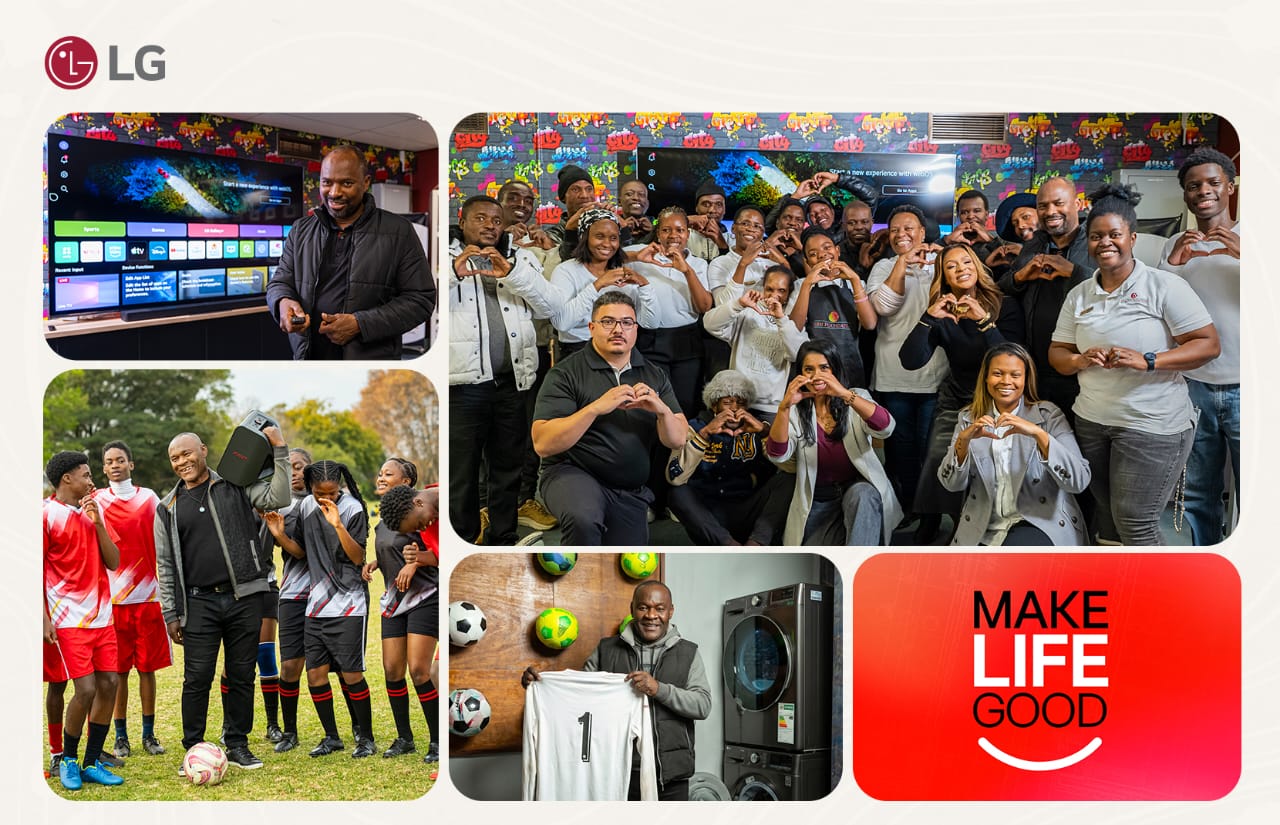
A six-episode pan-African reality television series, Make Life Good, has highlighted community transformation projects in Nigeria, South Africa and Kenya, with participants using technology and infrastructure upgrades to improve learning environments, care facilities and youth development centres.
Produced in partnership with MultiChoice and hosted by actress Jessica Dlamini, the programme featured prominent Africans returning to communities that contributed to their success and supporting projects aimed at improving living and learning conditions.
According to Dlamini, the series focused on encouraging successful individuals to give back to their communities while demonstrating how technology can support social development.
“Throughout this series, we have witnessed extraordinary individuals return to those places and create meaningful change for the next generation within 24 hours,” she said.
In the first episode, former Nigerian goalkeeper William Okpara led the renovation of a school sports facility, providing improved laundry and changing room amenities for young athletes.
The second episode featured mountaineer Saray Khumalo, who supported the upgrade of a community facility with equipment intended to improve food storage, meal preparation and daily operations.
Award-winning filmmaker Adze Ugah, in the third episode, partnered with the BBM Foundation’s Bold Men Skills Programme in South Africa to enhance a vocational training centre. The intervention included installing digital learning and climate-control equipment to improve training conditions for participants.
In the fourth episode, Esther Munyi supported improvements at a children’s care facility, helping to strengthen food preservation, meal preparation and other daily operations for caregivers and children.
The fifth episode focused on the creation of a communal space designed to support young women as they rebuild their lives after difficult circumstances. The upgraded facility was intended to provide a safer environment for learning, personal development and community engagement.
The season finale featured Perpetual Kendi, who led the transformation of a youth-focused community centre, creating a space that promotes creativity, learning and social interaction among young people.
Organisers said the interventions were designed to demonstrate how technology and community partnerships can help address everyday challenges and improve quality of life.
The programme concludes with projects spanning schools, vocational centres, children’s homes and community facilities, highlighting efforts to promote education, wellbeing and social development across participating communities.