The Centre for the Promotion of Private Enterprise (CPPE) has called for urgent measures to cushion households and businesses from the rising economic burden caused by the latest increase in petrol prices.
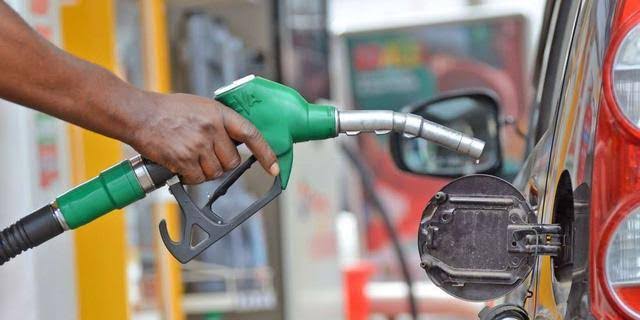
The call followed the recent increase in petrol prices from about ₦1,300 to as high as ₦1,430 per litre, with the business group warning that the development could worsen transportation, logistics, food, electricity and other costs across the economy.
In a policy brief issued on Sunday, CPPE Chief Executive Officer, Dr Muda Yusuf, said government should prioritise targeted interventions to protect vulnerable households and productive businesses rather than return to a universal fuel subsidy regime.
Yusuf said restoring the subsidy would reverse ongoing petroleum-sector reforms, place additional pressure on public finances and fail to address the structural problems associated with the previous subsidy system.
According to him, the immediate priority should be to ensure that Nigerians see tangible benefits from the reforms through improvements in public transportation, electricity, healthcare, education, food security, infrastructure and social protection.
He said government at the federal, state and local levels must also demonstrate greater fiscal accountability by showing how additional revenues arising from the reforms are being deployed to improve economic and social outcomes.
CPPE called for increased investment in mass transit, affordable public transportation, rail freight and logistics infrastructure to reduce the impact of higher transport costs on businesses and consumers.
The group also urged government to accelerate the deployment of compressed natural gas, solar and other distributed energy solutions to reduce dependence on petrol and lower energy costs, particularly for micro, small and medium-sized enterprises.
It further recommended that relief measures should target vulnerable households and productive enterprises, especially MSMEs, through interventions capable of reducing energy, logistics and financing costs.
On food security, CPPE called for greater investment in irrigation, rural infrastructure, agricultural logistics and productivity-enhancing measures to prevent higher energy and transportation costs from worsening food prices.
Yusuf said all tiers of government had a role to play in mitigating the effects of the petrol price increase.
“The CPPE recognises that the current petrol-price escalation presents a serious cost-of-living, inflation and competitiveness challenge requiring urgent intervention,” he said.
He, however, warned against returning to the previous universal subsidy arrangement, describing it as fiscally unsustainable.
“However, restoring the pre-reform universal subsidy regime is neither fiscally sustainable nor economically prudent. The appropriate policy direction is to preserve the downstream petroleum reforms while aggressively mitigating their social and economic costs,” Yusuf said.
He said the government should make the benefits of subsidy removal more visible through infrastructure, public services and productive investments while improving transparency and accountability in the management of additional revenues.
“The more consequential issue is how Nigeria can convert the gains of the reform into lower structural costs, stronger domestic production, improved competitiveness, greater energy security and measurable improvements in citizens’ welfare,” he said.
“That is the pathway to making the reform economically sustainable and socially defensible.”
The intervention call comes against the backdrop of concerns over the rising cost of maintaining the petroleum subsidy. NRS Chairman Zac Adedeji had said the subsidy bill could have risen to ₦53 trillion, while the naira could have weakened to ₦3,500 to the dollar if the policy had been retained.
President Bola Tinubu has consistently defended the removal of the subsidy as necessary to avert a fiscal crisis, restore macroeconomic stability and free up resources for development.